

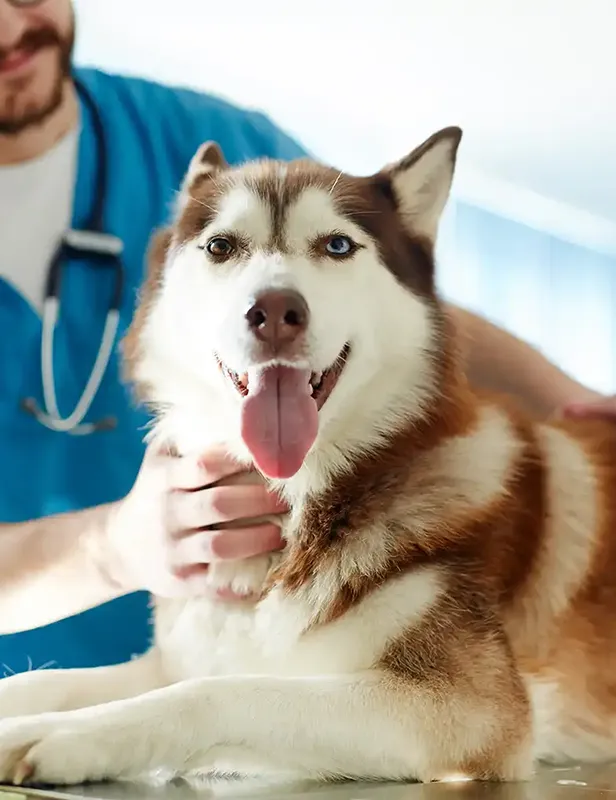


If your canine companion is scratching more than usual or dealing with recurring ear issues, allergies may be the underlying cause. At Cherry Hill Dog & Cat Hospital, our Elkton, MD veterinarians frequently see pups who are struggling with allergies. This is quite common, especially given our region’s changing seasons and the fact that our outdoor environment offers lots of dust and pollen. Recognizing signs of allergic reactions is key, as early care can make a meaningful difference in your pup’s comfort and long-term health.
allergies can affect dogs of all ages and breeds, and can come on at any point in Fido’s life. Symptoms may vary depending on the trigger. This guide explains common types of allergies, how to recognize them, ways veterinarians treat dog allergies, and practical prevention strategies. With guidance from our Elkton pet care team, you can help your furry bestie feel more comfortable year-round.
What Are Dog Allergies and Why Do They Happen
Dog allergies occur when your pup’s immune system reacts to certain substances, most of which are usually harmless. These substances, called allergens, can be found in food, the environment, or other substances. When exposed to the allergen, your canine buddy’s body launches an immune response, releasing inflammatory chemicals that lead to itching, skin irritation, digestive upset, or ear problems.
In Elkton, MD, seasonal weather changes, humidity, and plant life can increase exposure to environmental allergens. Our veterinarians often see symptoms flare during spring and fall, although allergies can occur at any time of year.
Common Types of Dog Allergies
Understanding the type of allergy your dog may have is very important, as this will guide his treatment, and is key to targeted, effective care.
Environmental Allergies
Environmental allergens include pollen, mold spores, dust mites, and grasses. These allergies are often seasonal, though indoor allergens may affect dogs year-round. Your pup may lick paws, rub their face, or develop red, irritated skin.
Food Allergies
Food-related dog allergies typically involve a reaction to a specific protein source. Unlike environmental allergies, food allergies often cause symptoms throughout the year. Digestive upset, chronic ear infections, and itchy skin are common signs.
Flea Allergy Dermatitis
Some dogs are highly sensitive to flea saliva. Even a single bite can trigger intense itching and inflammation. This condition is common and preventable with proper parasite control, which our Elkton veterinarians strongly recommend.
Signs and Symptoms of Dog Allergies
Dog allergies often present through the skin and ears, but symptoms can vary. Watch for persistent itching, chewing at paws, red or inflamed skin, hair loss, recurrent ear infections, head shaking, watery eyes, sneezing, or digestive changes.
Behavioral changes may also occur. A normally calm canine companion may become restless or irritable due to discomfort. If symptoms persist or worsen, a visit to your Elkton veterinary clinic is recommended for proper diagnosis.
How Veterinarians Diagnose Dog Allergies
Diagnosing dog allergies requires a thorough evaluation. Your veterinarian will review your dog’s history, examine his skin and ears, and discuss symptom patterns. Diagnostic approaches may include elimination diets, skin testing, or blood tests, though the exact tests will vary depending on what the suspected allergens are.
At Cherry Hill Dog & Cat Hospital, our Elkton veterinarians tailor diagnostics to each dog, so treatment plans are both effective and manageable for families.
Treatment Options for Dog Allergies
Allergies can’t be cured, but they can be treated. These treatments are not one-size-fits-all. Treating dog allergies often involves a combination of approaches designed to reduce symptoms and improve comfort.
Medical Management
Veterinary-guided therapies help control inflammation and itching. Your veterinarian may recommend medications that reduce allergic responses or address secondary infections caused by scratching or licking. This may include oral or topical medications, or perhaps special products, such as shampoos.
Dietary Adjustments
For food allergies, carefully controlled diet trials help identify offending ingredients. This generally entails putting Fido on a bland diet until symptoms disappear, then reintroducing things one by one to see what causes reactions. Once identified, long-term nutritional adjustments can significantly improve symptoms and overall health.
Skin and Coat Care
Regularly bathing Fido with veterinarian-approved products can remove allergens from the skin and coat. Maintaining skin health reduces irritation and helps protect against infections.
Our Elkton pet care team focuses on long-term management rather than quick fixes, ensuring your furry friend stays comfortable through changing seasons.
Preventing Allergy Flare-Ups in Dogs
While not all dog allergies can be prevented, proactive steps help reduce flare-ups. Keeping your home clean, wiping paws after outdoor activity, and managing humidity indoors can minimize allergen exposure. Consistent parasite prevention plays a key role in avoiding flea-related allergies.
Routine wellness visits at your Elkton animal hospital help catch early signs of allergies and allow adjustments before symptoms become severe.
Why Local Care Matters for Allergy Management
Allergy triggers vary by region. In Elkton, MD, climate patterns, local vegetation, and seasonal changes influence how dog allergies present. Working with local veterinarians familiar with these factors allows for more precise treatment strategies.
Our Elkton veterinary clinic considers regional environmental factors when developing allergy care plans, helping dogs adapt comfortably throughout the year.
PetMD wrote about food allergies in dogs in this piece. The AKC also covered the topic here.
Frequently Asked Questions
Can dog allergies develop suddenly
Yes. Dogs can develop allergies at any age, even if they previously showed no symptoms. Changes in environment or diet may trigger new reactions.
Are dog allergies contagious
No. Allergies are immune responses and cannot spread between pets or people.
Do dog allergies ever go away
Some allergies are lifelong, but symptoms can be effectively managed with veterinary guidance and consistent care.
Can allergies affect my dog’s ears
Yes. Chronic ear infections are a common sign of underlying dog allergies and should be evaluated by a veterinarian.
Should I see a vet for mild allergy symptoms
Yes. Early evaluation allows your veterinarian to address issues before they become more severe or lead to secondary infections.
Schedule a Visit with Our Elkton Veterinary Clinic
Helping your canine companion feel comfortable starts with understanding and managing dog allergies. At Cherry Hill Dog & Cat Hospital, our Elkton veterinarians provide personalized allergy care tailored to your pup’s needs and local environment. If you’re searching for a reliable veterinary clinic in Elkton or typing “vet near me” to find trusted guidance, we’re here to help. Contact our team today to schedule an appointment and support your furry pal’s health and happiness.
This blog is for informational purposes only. Always consult with your veterinarian for the appropriate medical advice, diagnosis, or treatment plan for your dog and follow their recommendations.
To learn more about our Elkton, MD veterinary clinic, please drop by our Services page here for more detailed information about our animal clinic and the pets we treat. You can also find out about our Wellness and Vaccinations offerings here.


!Social Media Icons