

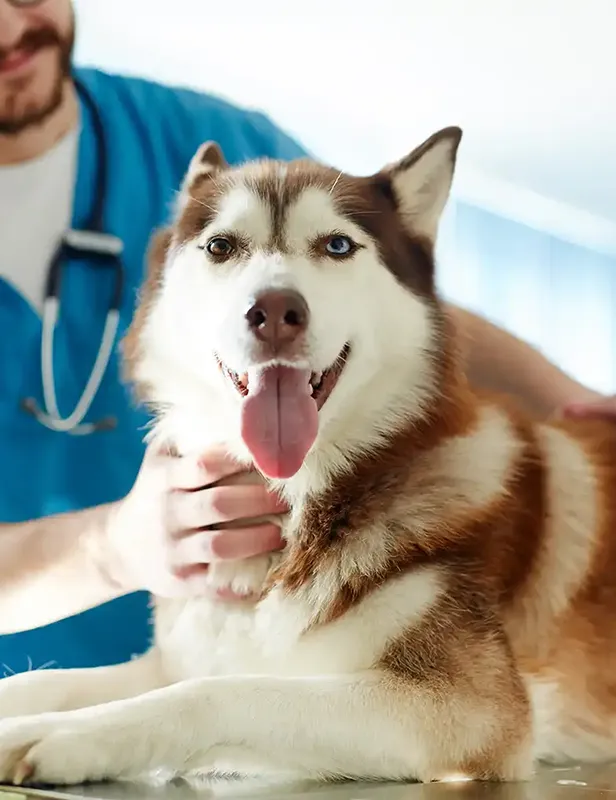
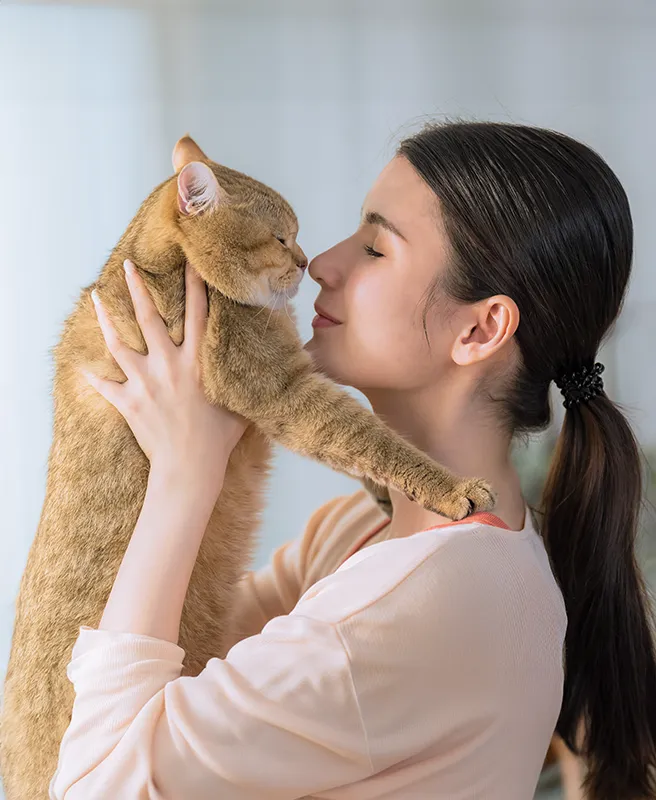

Creating a safe home environment is essential for the well-being of your furry friends. From curious puppies exploring every corner to playful kittens testing boundaries, pets are naturally inquisitive. At Cherry Hill Dog & Cat Hospital, serving North East, MD, our veterinarians have seen our share of patients that have gotten into mischief and ended up injured. It’s important to do some petproofing. This can help prevent accidents, injuries, and stress for both pets and people. Taking preventive steps can help your fourlegged buddy enjoy a secure and happy indoor life.
Petproofing is more than removing hazards; it’s about designing a home where dogs and cats can explore, play, and rest safely. With thoughtful planning, your pets can be comfortable and protected, giving you peace of mind. This guide provides practical tips, insights from our North East MD veterinary clinic, and strategies for keeping your canine companion and feline friend safe indoors.
Why Petproofing Matters
Pets are naturally curious, and accidents can happen quickly. Chewing cords, ingesting toxic plants, or getting stuck in tight spaces are common hazards. Proactive petproofing reduces the risk of injury and prevents stress for your furry pal.
Our North East MD veterinarians often see preventable accidents that could have been avoided with simple adjustments. By addressing safety risks early, you not only protect your pet but also maintain a harmonious home environment.
Identify and Remove Toxic Substances
Many household items are dangerous to pets. Common hazards include cleaning supplies, medications, certain foods, and many indoor plants, such as lilies and rhododendrons. Even seemingly harmless items like chocolate or grapes can be toxic to dogs and cats.
Store chemicals, medications, and small objects out of paws’ reach, preferably in locked cabinets. Keep only indoor plants that are safe for pets, or place potentially harmful plants in areas that are inaccessible. Regularly check for new hazards as your pets explore.
Secure Electrical Cords and Outlets
Chewing on cords can lead to electrical shock or burns. Puppies and kittens are particularly prone to this behavior.
Use cord protectors or cover outlets and cords to minimize risk. Taste deterrents can also help. Encourage your pet to chew safe toys instead, which also supports mental stimulation and keeps them engaged safely.
Block Access to Dangerous Areas
Some rooms, stairs, or utility areas may present hazards. Installing gates, doors, or barriers prevents pets from entering spaces that are unsafe.
Even areas that seem low risk, such as laundry rooms or bathrooms, can harbor dangers like detergent, small objects, or slippery surfaces. Your North East MD veterinary clinic can provide advice on assessing household risk points for dogs and cats.
Safe Furniture and Climbing Spaces
Cats naturally enjoy climbing and exploring vertical spaces. While encouraging natural behavior is healthy, you can minimize injury risk by securing heavy furniture and avoiding unstable perches.
Provide designated cat trees or shelves that are sturdy and safe. For dogs, ensure that furniture they jump on is low and secure to prevent falls or strain, especially for older pets.
Kitchen and Food Safety
Counter-surfing pets can access foods that are harmful, such as onions, chocolate, and certain nuts. Petproofing includes keeping food out of reach and discouraging climbing on counters.
During meal prep, monitor your furry buddy to prevent ingestion of small items like bones or wrappers that could cause choking or digestive issues.
Toys and Small Objects
Small objects that can be swallowed pose a choking risk. Keep an eye out for small items such as hair ties, buttons, or coins, and keep them stored safely.
Providing safe, durable toys for chewing, tugging, and playing keeps your pet entertained while reducing exposure to hazards. Rotate toys to maintain engagement and prevent boredom.
Bathroom and Laundry Precautions
Bathrooms can contain chemicals, medications, and items that might be harmful if ingested. Similarly, laundry rooms may hold detergents, dryer sheets, and clothing items that pets could chew.
Keep doors closed or use barriers to limit access. Store products safely, and supervise pets when they are near these spaces to prevent accidents.
Seasonal and Holiday Safety
Decorations, candles, and seasonal items may present new risks. Pets often investigate lights, cords, and ornaments.
During holidays, ensure that candles, small decorations, and wrapping materials are out of reach. Your North East MD veterinarians can offer seasonal petproofing tips to prevent accidental ingestion or burns.
Petproofing for Puppies and Kittens
Young pets are naturally curious and may explore more aggressively. Petproofing early can prevent injuries and support safe exploration.
Puppies may chew, dig, or get into trash, while kittens climb, jump, and bat objects around. Providing safe toys, play areas, and supervision is key to developing good habits.
Petproofing for Senior Pets
Senior dogs and cats have unique needs. Joint issues, reduced mobility, and sensory changes can increase the risk of falls or accidents.
Consider ramps, non-slip mats, and easily accessible litter boxes or bedding. Modifying your home for safety supports comfort and reduces stress for aging pets.
Emergency Preparedness
Even with a petproofed home, accidents can happen. Keep emergency contacts handy, know your nearest veterinary clinic, and maintain a basic pet first-aid kit.
Our North East MD veterinary team can provide guidance on what to include in a pet emergency kit and how to respond if an incident occurs.
Read more petproofing tips at the American Humane Society website here. The American Animal Hospital also has tips on petproofing, which you can read here.
Frequently Asked Questions
How often should I update petproofing measures?
You can probably scale back a bit when pets are grown enough to calm down. However, some things, such as plastic wrappers, toxic plants and chemicals, and small items, will always pose a threat.
Are certain breeds more prone to household accidents?
Some pets are more accident-prone than others, but all are at risk. Puppies and highly curious breeds may require extra precautions, but all dogs and cats benefit from petproofing.
Can petproofing reduce stress for my pet?
Yes. A safe environment reduces anxiety and allows pets to explore without fear of injury.
What if my pet still gets into unsafe items?
Observe patterns, adjust your environment, and consult your veterinarian for behavior guidance.
Is supervision always necessary?
Supervision is important, especially for young or senior pets, but most of us can’t watch our furry pals 24/7. A well-petproofed home minimizes risks when you cannot watch them.
Visit Our North East MD Veterinary Clinic for Guidance on Petproofing
Keeping your home safe is a cornerstone of responsible pet ownership. At Cherry Hill Dog & Cat Hospital, serving North East, MD, our veterinarians provide personalized advice for petproofing home strategies tailored to your furry pal’s needs. If you are searching for a trusted animal hospital or typing “vet near me” to safeguard your pets indoors, contact our veterinary clinic today to schedule an appointment and create a secure, happy environment for your dogs and cats.
This blog is intended for informational purposes only. Always consult with your veterinarian for proper medical advice, diagnosis, or treatment for your pet and follow their professional recommendations.
To learn more about our Elkton, MD veterinary clinic, please drop by our Services page here for more detailed information about our animal clinic and the pets we treat. You can also find out about our Wellness and Vaccinations offerings here.

!Social Media Icons