

Does brushing your pup feel like a never-ending battle with tangles and mats? At Cherry Hill Dog & Cat Hospital, our Elkton, MD veterinary clinic, our canine patients sport a variety of different styles. We often see long-haired dogs that are struggling with coat maintenance. Regular grooming is an essential part of keeping your furry pal healthy, comfortable, and happy.
Long-haired dog grooming goes far beyond aesthetics. Proper coat care promotes skin health, prevents painful mats, and reduces shedding around your home. In this article, we’ll explore essential dog grooming tips, discuss the benefits of regular maintenance, and provide practical advice from our Elkton dog care team to help your four-legged buddy look and feel their best.
Why Grooming Matters for Long-Haired Dogs
Dogs with long or thick coats are prone to tangling and matting, and are at risk of developing skin infections if grooming is neglected. Regular brushing removes loose hair, dirt, and debris, and also distributes natural oils to keep the skin and coat nourished and healthy. Grooming sessions also offer an opportunity to monitor your canine friend for lumps, bumps, or parasites.
Our Elkton veterinarians emphasize that long-haired dog grooming is a critical component of preventive care. By maintaining a consistent grooming routine, you can improve your pup’s comfort, enhance their appearance, and reduce health complications related to poorly cared-for fur.
Tools and Supplies for Effective Grooming
Having the right tools makes all the difference in long-haired dog grooming. Depending on your dog’s coat type, you may need a few tools. The exact tools will depend on your pet’s coat type, but may include some or all of the following.
- A slicker brush to remove loose hair and untangle knots
- A comb to reach deeper layers and ensure no mats remain
- Scissors or grooming shears for trimming problem areas
- Nail clippers and ear-cleaning supplies
Our Elkton dog care team recommends investing in quality grooming tools that are comfortable for both you and your canine companion. Using the proper tools reduces stress for your dog and allows you to manage the grooming process more efficiently.
Brushing Techniques and Frequency
Brushing is the foundation of long-haired dog grooming. Daily brushing is ideal for many breeds, but may not be necessary for some pups. At a minimum, aim for several times per week. Start at the head and work toward the tail, gently detangling mats and knots along the way. Pay special attention to areas prone to matting, such as behind the ears, under the legs, and around the collar.
Using slow, gentle strokes helps your pup remain calm during grooming. If your dog resists, take short breaks and offer positive reinforcement to encourage cooperation. Consistency and patience are key to building a grooming routine that works for both you and your furry friend.
Bathing Your Long-Haired Dog
Bathing helps keep your dog’s coat clean, but it should not replace regular brushing. The frequency of baths depends on your dog’s activity level, coat type, and skin sensitivity. Overbathing can strip natural oils, while underbathing may leave the coat dirty and prone to tangles.
When bathing your pup, use a mild, vet-approved shampoo designed for dogs. Rinse thoroughly to remove all residue, as leftover soap can cause irritation or dryness. After bathing, gently towel-dry your canine companion and follow up with brushing to prevent mats from forming while the coat is damp.
Trimming and Professional Grooming
Even with regular brushing, some long-haired dogs may require periodic trims. Hair around the paws, ears, and sanitary areas can grow quickly and become uncomfortable or difficult to maintain. Trimming these areas improves hygiene and comfort.
Many dog owners benefit from professional grooming appointments. Groomers can handle complex trims, remove stubborn mats, and provide specialized care for breeds with unique coat needs. Our Elkton dog care team can recommend trusted groomers and offer tips for maintaining results between visits.
Nail Care and Ear Maintenance
Grooming isn’t limited to the coat. Nail trimming is essential to prevent discomfort, walking issues, and joint strain. Check your pup’s nails regularly and trim as needed, using proper technique to avoid injury.
Ears also require attention. Long-haired dogs can be prone to ear infections, due to hair obstructing airflow. Regularly inspect and clean ears using gentle solutions recommended by our Elkton veterinarians to prevent buildup and irritation.
Health Benefits of Regular Grooming
Consistent long-haired dog grooming has multiple benefits beyond appearance. Brushing and trimming help prevent skin infections, reduce the risk of parasites, and allow for early detection of lumps, bumps, or other health concerns. Grooming sessions also provide quality bonding time, strengthening the relationship between you and your four-legged buddy.
Maintaining coat health can also reduce shedding around the home. Removing loose hair before it falls helps keep your living space cleaner while keeping your canine companion more comfortable.
Tips for Making Grooming Stress-Free
Some dogs may be anxious or resistant to grooming. To make the process easier:
- Start with short, positive sessions and gradually increase duration
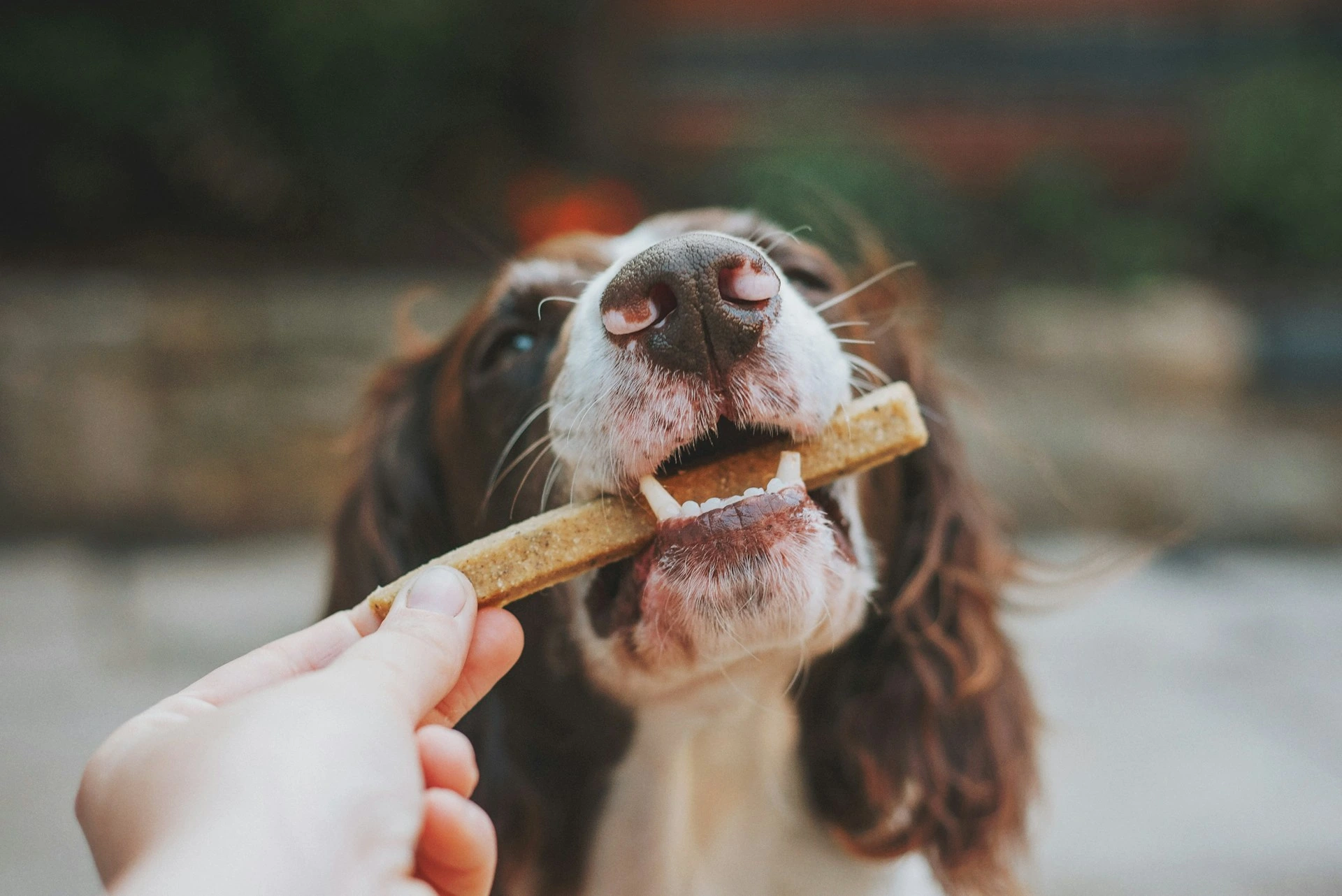
- Offer treats and praise to create a positive association with grooming
- Play calming music or use pheromone diffusers to reduce stress
- Schedule grooming during quiet times of day to minimize distractions
Our Elkton veterinarians emphasize patience and consistency. Dogs respond well to gentle guidance, and over time, grooming can become an enjoyable part of your routine.
Click here to read more about dog grooming at the AKC website here. The ASPCA also has a piece on Fido’s beauty care needs, which you can find here.
Frequently Asked Questions
How often should I brush a long-haired dog?
Most long-haired breeds benefit from daily brushing, but it varies a bit. At a minimum, aim for several times per week to prevent mats and tangles.
Can I trim my dog’s coat at home?
To some extent, yes. With proper tools and techniques, you can trim small areas such as paws, ears, and sanitary regions. For full body or breed-specific trims, professional grooming is recommended. Keep in mind that some dogs should never be trimmed, as it can in certain cases cause permanent damage to Fido’s skin and coat.
How do I prevent mats from forming?
Regular brushing, prompt attention to tangles, and, if appropriate, periodic trims help prevent mats. Consistency is key to avoiding discomfort and skin issues.
What shampoo is best for long-haired dogs?
Use a mild, vet-approved shampoo designed for dogs. Avoid human shampoos, as they can irritate skin and strip natural oils from your pet’s coat.
Are professional groomers necessary?
While you can maintain a coat at home, professional groomers are helpful for complex trims, hard-to-reach areas, and stubborn mats. They also provide breed-specific care and hygiene maintenance.
Visit Our Elkton Veterinary Clinic for Long-Haired Dog Grooming Support
Long-haired dog grooming is essential for maintaining a healthy, comfortable, and happy pup. At Cherry Hill Dog & Cat Hospital, our Elkton veterinarians provide guidance on coat care, brushing techniques, trimming, and overall dog wellness. If you’ve been searching for a “vet near me” or want reliable advice on grooming your canine companion, our team is ready to assist. Schedule an appointment today and keep your four-legged buddy looking and feeling their best.
This blog is for informational purposes only. Always consult your veterinarian for the appropriate medical advice, diagnosis, or treatment plan for your canine companion and follow their guidance.
To learn more about our Elkton, MD veterinary clinic, please drop by our Services page here for more detailed information about our animal clinic and the pets we treat. You can also find out about our Wellness and Vaccinations offerings here.

!Social Media Icons