
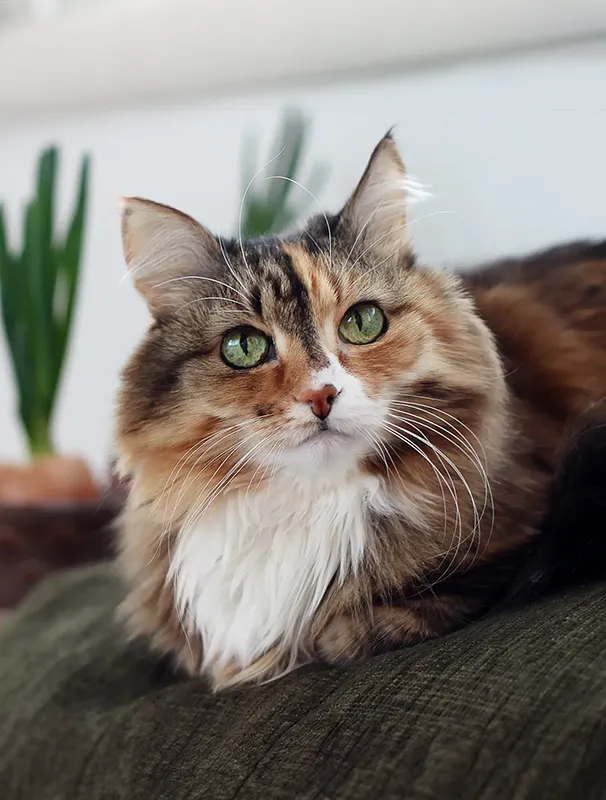
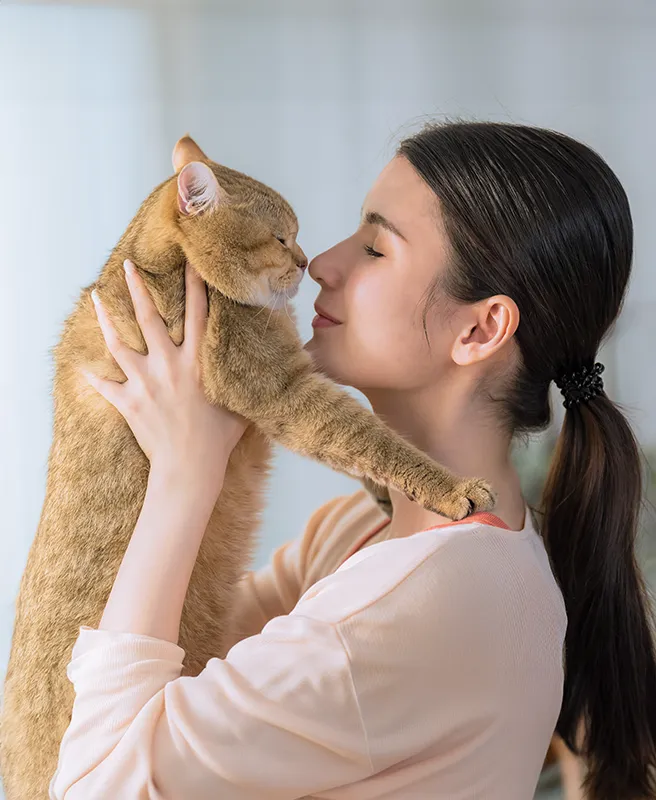

Has your feline companion seemed less active lately? Has Fluffy developed new health concerns as she ages? At Cherry Hill Dog & Cat Hospital, our Elkton, MD veterinarians work closely with owners to support senior cat health. We want to do all we can to help our feline patients enjoy comfort and vitality in their golden years. Adjusting care regimes for older cats is very important! This helps prevent illness, manage chronic conditions, and maintain Fluffy’s quality of life.
We are happy to provide not only great veterinary care, but also guidance on nutrition, preventive care, and environmental adjustments, in order to help your aging feline pal remain happy, active, and engaged. In this article, we’ll share practical tips for aging cats’ care and highlight ways to support your senior cat’s overall well-being.
Recognizing Changes in Senior Cats
As cats age, their activity levels, mobility, and behavior may change. Things like slower movement, reduced play, and altered grooming habits can indicate normal aging, but can also signify emerging health issues. Observing subtle changes allows for early intervention and improved senior cat health outcomes.
Pay attention to Fluffy’s eating habits, litter box use, and weight fluctuations. Sudden changes may indicate dental disease, kidney issues, or thyroid imbalances, making regular veterinary visits essential for preventive care.
Nutrition and Diet Adjustments
Proper nutrition is critical for senior cat health. Older cats may require diets lower in calories but higher in protein to maintain muscle mass, support joint function, and promote digestive health. Specialized diets designed for aging cats can help manage weight and reduce the risk of chronic conditions.
We recommend monitoring food intake, offering small, frequent meals, and ensuring easy access to water. Incorporating wet food can increase hydration and support urinary tract health, which is especially important for senior felines.
Preventive Care and Regular Checkups
Regular wellness exams become increasingly important for senior cats. Annual or biannual visits allow our Elkton veterinarians to monitor organ function, dental health, and overall condition. Bloodwork, urinalysis, and physical exams help detect age-related conditions early, improving management and outcomes.
Vaccinations and parasite prevention should continue as recommended, as even senior cats are susceptible to certain illnesses. Preventive care is a cornerstone of aging cat care, helping your feline friend live longer and be healthier in her golden years.
Dental Health in Aging Cats
Dental issues are common in senior cats and can affect overall health. Gum disease, tooth decay, and oral pain may reduce appetite or alter behavior. We perform dental assessments during wellness visits and recommend regular brushing, dental diets, or professional cleanings as needed.
Maintaining good oral hygiene is an important part of senior cat health. Early detection of dental problems can prevent pain, systemic infections, and more complex medical interventions later.
Mobility and Joint Support
Arthritis and joint stiffness are common in aging cats. Observing your feline companion’s movement, climbing habits, and play behavior is important. You have to know the norm to spot what isn’t the norm. That can definitely help identify early signs of discomfort. Providing ramps, soft bedding, and accessible litter boxes helps reduce strain on joints.
We may recommend dietary supplements, weight management strategies, or other interventions to support mobility and enhance comfort. Promoting gentle exercise and interactive play encourages flexibility and reduces stiffness.
Environmental Adjustments for Senior Cats
Senior cats benefit from a home environment that accommodates their changing needs. Easy access to food, water, and litter boxes is essential. Offering multiple low resting spots and soft bedding options help reduce joint pressure and provide comfort.
Minimizing stress is equally important. Maintaining consistent routines, quiet spaces, and safe vertical areas supports mental and physical health. We are happy to provide guidance on environmental modifications to enhance senior cat health.
Monitoring Behavior and Mental Health
Cognitive changes can occur in aging cats, including disorientation, altered sleep patterns, or changes in social interactions. Providing mental stimulation through gentle play, puzzle toys, and interactive activities helps maintain cognitive function.
We recommend monitoring your cat’s daily behavior, as subtle changes may indicate underlying medical or cognitive issues. Early recognition allows for interventions that improve quality of life.
Hydration and Kidney Health
Kidney function often declines with age, making hydration critical. Encourage water intake through multiple bowls, running water fountains, and wet food. Monitoring urination frequency and volume helps identify potential issues early.
maintaining proper hydration supports urinary tract health and overall aging cat care, helping prevent kidney-related complications common in senior felines.
You can read more about when your cat is considered a senior in this article by PetMD. Check out this blog from Cornell University on caring for an older cat.
Frequently Asked Questions
How often should senior cats visit the vet?
Senior cats benefit from annual or biannual wellness exams, which allow early detection of age-related conditions and support overall health.
What diet changes are recommended for aging cats?
Senior cats may need higher protein, lower calorie diets with joint and kidney support. However, every kitty is different. Consult your veterinarian for tailored recommendations.
How can I help a senior cat with arthritis?
Provide ramps, soft bedding, easy access to essentials, gentle play, and consider supplements or vet-recommended treatments for joint support.
Are vaccinations necessary for older cats?
Yes. Core vaccinations and parasite prevention should continue as recommended, even in senior cats. However, exact vaccine recommendations are going to be based on risk and health status.
How do I recognize cognitive changes in my aging cat?
Watch for disorientation, altered sleep patterns, changes in grooming, or confusion. Early veterinary evaluation can support cognitive health.
Visit Our Elkton Veterinary Clinic
Supporting your feline companion through their senior years requires attentive care, preventive wellness, and environmental adjustments. At Cherry Hill Dog & Cat Hospital, our Elkton veterinarians provide guidance on senior cat health, nutrition, mobility, and preventive care. If you’ve been searching for a “vet near me” or a trusted feline wellness partner, our team is ready to help. Schedule an appointment today and give your aging feline pal the expert care they deserve.
This blog is for informational purposes only. Always consult your veterinarian for the appropriate medical advice, diagnosis, or treatment plan for your senior cat and follow their guidance.
To learn more about our Elkton, MD veterinary clinic, please drop by our Services page here for more detailed information about our animal clinic and the pets we treat. You can also find out about our Wellness and Vaccinations offerings here.


!Social Media Icons