

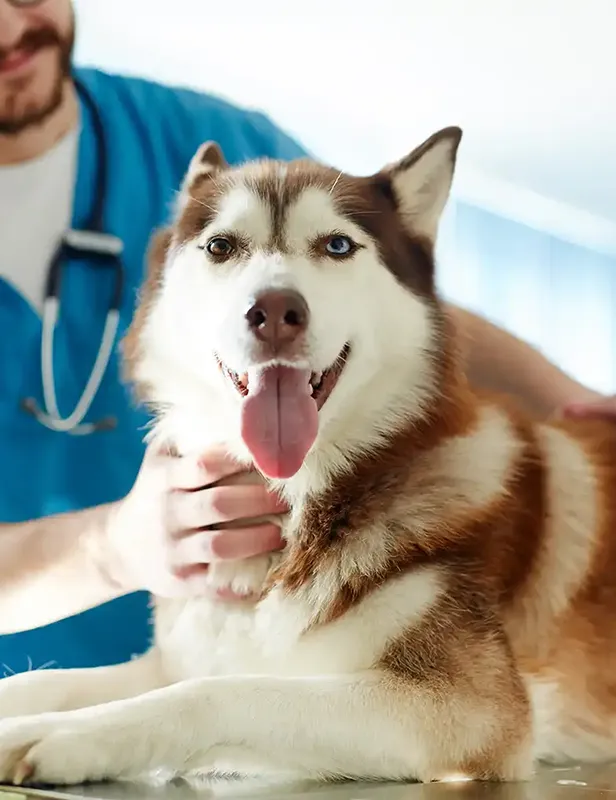


Have you noticed your pup’s bad breath or wondered if their teeth are as healthy as they should be? At Cherry Hill Dog & Cat Hospital, our Elkton, MD veterinarians see many dogs with preventable dental issues. Prioritizing dog dental care is essential for overall health, as oral problems can lead to pain, infection, and even systemic disease.
Dog dental care goes beyond fresh breath; it also affects your canine companion’s heart, kidneys, and general wellness. You really can’t underestimate the importance of oral health! In this blog, a local vet teaches proper teeth cleaning techniques and shares tips for maintaining healthy gums and teeth. We’ll also cover practical dog teeth cleaning strategies and long-term dental care practices to keep your furry friend happy and healthy.
Why Dental Health Matters for Dogs
Oral health is directly linked to overall well-being. Plaque and tartar buildup can cause gum inflammation, tooth decay, and gum disease, which, if left untreated, may lead to infections that affect the heart, liver, and kidneys. Regular doggy dental care prevents these issues and contributes to your pup’s longevity.
Preventive dental care is a cornerstone of comprehensive dog wellness plans. Catching oral issues early reduces the risk of painful procedures and helps maintain a high quality of life for your canine companion.
Signs Your Dog May Need Dental Care
Dogs often hide dental discomfort, so it’s important to recognize subtle signs of oral health issues. Common indicators include:
- Persistent bad breath
- Difficulty chewing or dropping food
- Red, swollen, or bleeding gums
- Excessive drooling
- Loose or missing teeth
If you notice any of these symptoms, it’s time to schedule a checkup with our Elkton dog wellness team. Early detection ensures prompt treatment and prevents more serious complications.
Brushing Your Dog’s Teeth at Home
Brushing is the most effective way to maintain oral health. You’ll need to get your pooch used to the idea. Use a dog-specific toothbrush and toothpaste, as human products can be harmful to canines. Begin slowly, letting your pup get accustomed to the taste and sensation. Start with short sessions and gradually increase duration as your furry pal becomes comfortable. It’s also important to make the experience positive. Offer treats, praise, and ear scritches.
We recommend brushing at least two to three times per week, though daily brushing is ideal. Focus on all tooth surfaces, including the back molars, and gently massage the gums to promote circulation. Consistency is key to preventing plaque buildup and keeping your dog’s teeth and gums healthy.
Dental Chews and Toys
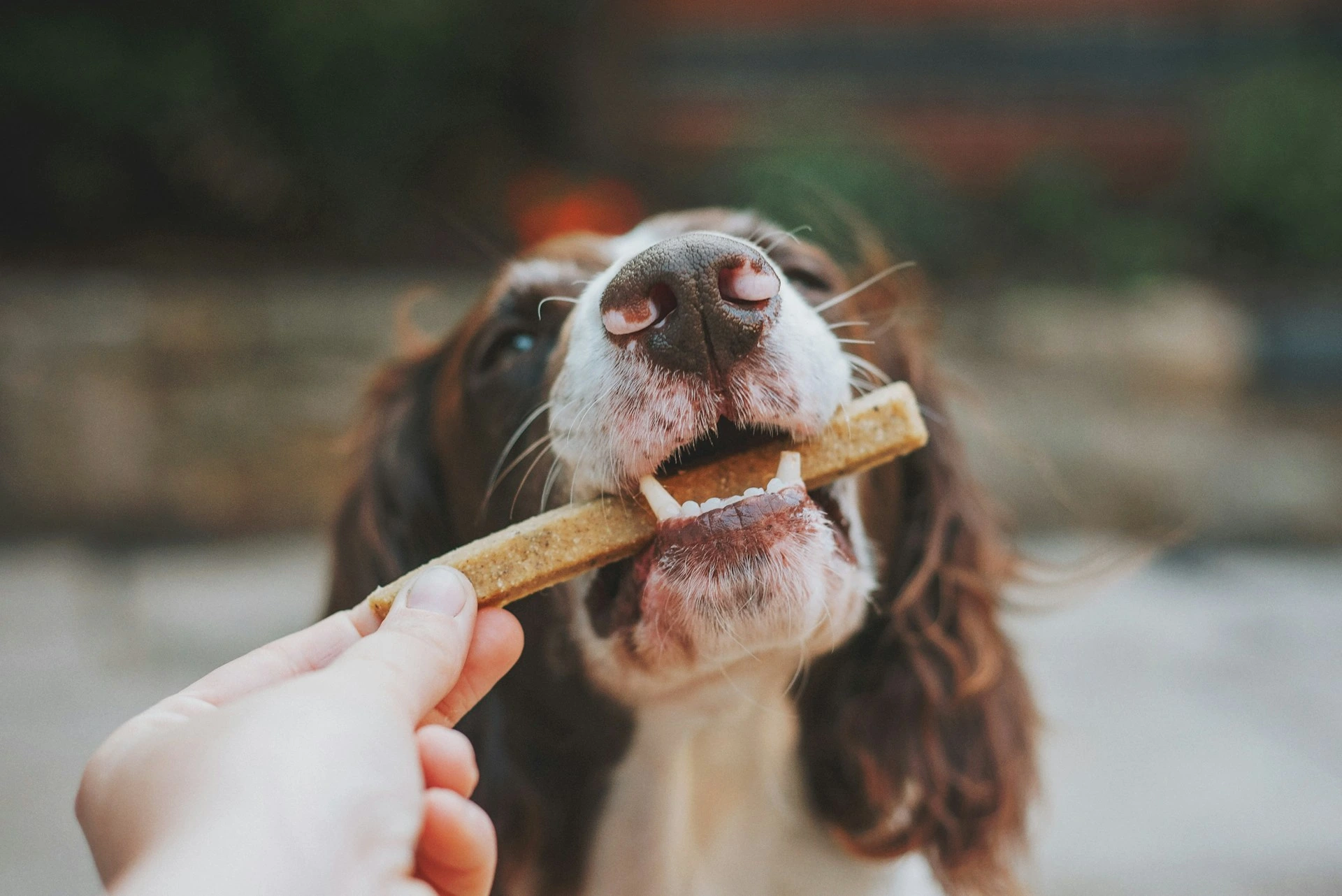
Supplementing brushing with dental chews or toys can help reduce plaque and tartar. These products encourage chewing, which mechanically cleans the teeth and stimulates gums. Look for vet-approved chews and toys appropriate for your dog’s size and chewing strength.
While chews are beneficial, they are not a replacement for brushing. We can recommend safe, effective products that complement your at-home dental care routine and keep your canine companion engaged during oral health activities.
Professional Dental Cleanings
Routine professional dental cleanings are essential for comprehensive dog dental care. Our Cherry Hill Dog & Cat Hospital team uses state-of-the-art equipment to thoroughly clean teeth, remove tartar, and address any oral health concerns. These appointments allow veterinarians to detect issues early, such as cavities, fractured teeth, or gum disease.
Professional cleanings are typically performed under anesthesia to ensure safety and comfort. Depending on your dog’s age, breed, and risk factors, we may recommend annual or biannual cleanings to maintain optimal oral health.
Diet and Nutrition for Dental Health
A balanced diet supports healthy teeth and gums. Certain foods and treats are designed to reduce plaque buildup and promote oral wellness. Feeding your dog high-quality kibble or incorporating dental-specific diets can complement brushing and professional cleanings.
Maintaining proper nutrition ensures that your canine friend not only has a healthy mouth but also enjoys long-term wellness throughout life.
Common Dental Problems in Dogs
Understanding common dental issues helps you recognize symptoms early and seek timely care. Some frequent problems include:
- Periodontal disease: Inflammation of the gums and supporting structures, often caused by plaque and tartar accumulation
- Tooth fractures: Can result from chewing hard objects, leading to pain or infection
- Abscesses: Pockets of infection that can affect overall health if untreated
- Oral tumors: Growths in the mouth requiring veterinary evaluation
By scheduling regular checkups and practicing consistent dog dental care at home, you can prevent or manage these conditions effectively.
Tips for Stress-Free Dental Care
Many dogs resist brushing or dental visits. To make the process easier:
- Introduce brushing gradually and reward calm behavior
- Use flavored toothpaste designed for dogs
- Schedule professional cleanings during low-stress times of the day
Keep dental tools and products within easy reach to establish a routine
You can learn more about doggy dental woes at the PetMD website here. Read some fun facts about Fluffy’s teeth at the PetMD website here.
Frequently Asked Questions
How often should I brush my dog’s teeth?
Ideally, brush daily. At minimum, two to three times per week helps reduce plaque and maintain healthy gums.
Are dental chews enough to prevent dental disease?
Chews help but do not replace brushing or professional cleanings. Combining methods provides the best protection.
When should I schedule a professional dental cleaning?
Most dogs benefit from annual cleanings, though some breeds or senior dogs may require more frequent care. Our veterinarians will create a schedule tailored to your pup’s needs.
Can dental disease affect other parts of my dog’s body?
Yes. Severe dental disease can impact the heart, kidneys, and liver. Maintaining oral health protects overall wellness.
What are the signs my dog is in dental pain?
Signs include bad breath, difficulty eating, pawing at the mouth, drooling, and swelling. Contact your veterinarian promptly if these appear.
Visit Our Elkton Veterinary Clinic
Maintaining your canine companion’s dental health is essential for preventing pain, infection, and long-term health problems. At Cherry Hill Dog & Cat Hospital, our Elkton veterinarians provide guidance on dog teeth cleaning, professional dental services, and preventive wellness strategies. If you’ve been searching for a “vet near me” or want trusted local dog care, our team is here to help. Schedule an appointment today and protect your furry friend’s smile for years to come.
This blog is intended for informational purposes only. Always consult your veterinarian for the appropriate diagnosis, medical advice, or treatment plan for your pup and follow their guidance.
To learn more about our Elkton, MD veterinary clinic, please drop by our Services page here for more detailed information about our animal clinic and the pets we treat. You can also find out about our Wellness and Vaccinations offerings here.

!Social Media Icons