
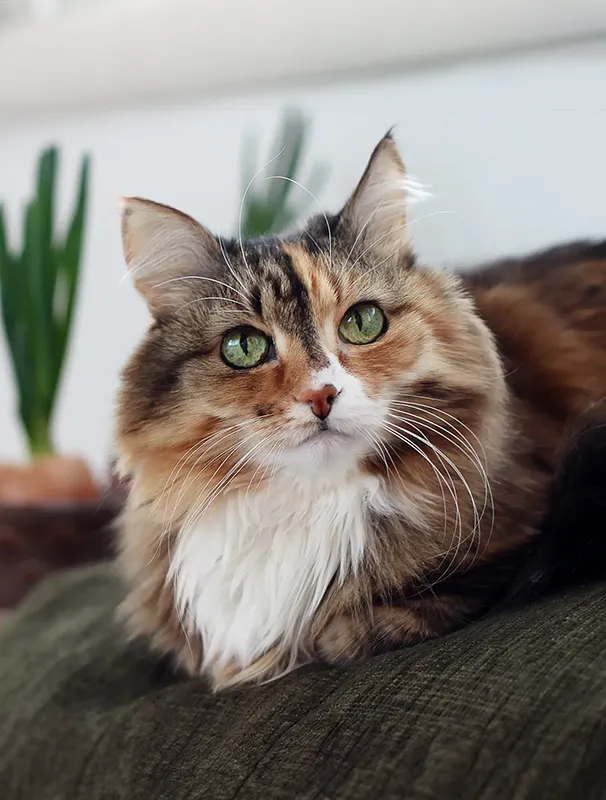
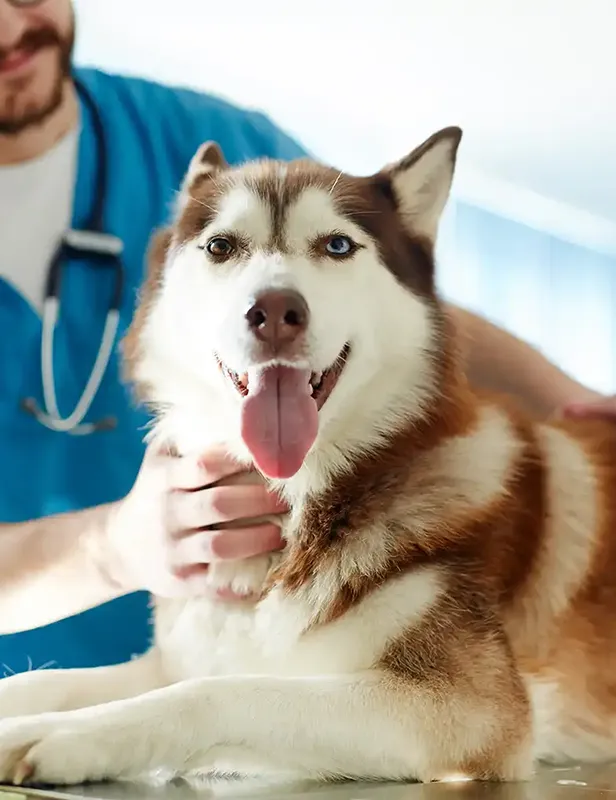
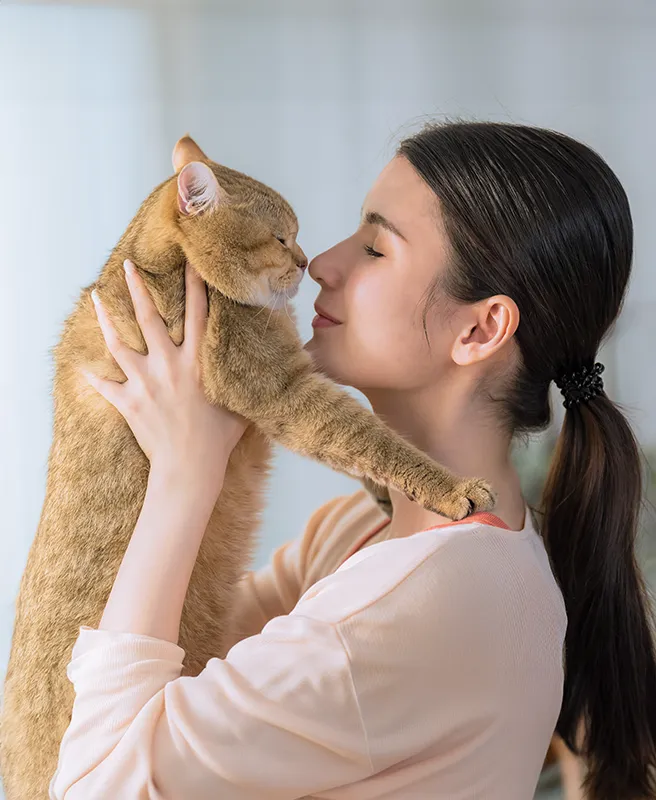

Do you ever wonder if your indoor feline companion has everything they need to stay healthy and happy? Kitties can’t tell us what they want or need, and they can be a bit mysterious. At Cherry Hill Dog & Cat Hospital, our Elkton, MD veterinarians see many indoor cats. Our roster includes plenty of happy, pampered pets, and some whose wellness could be improved with a few simple adjustments. Focusing on great indoor cat care helps your feline pal maintain physical health, mental stimulation, and overall contentment.
Indoor cat care involves much more than simply keeping your kitty inside. Proper nutrition, engaging play, and preventive wellness practices all contribute to a long, healthy life. In this article, we’ll explore practical tips for maintaining your indoor cat’s health, share cat nutrition tips, and provide guidance on creating a stimulating and safe home environment for your furry friend.
The Importance of Nutrition for Indoor Cats
Nutrition is the foundation of any indoor cat care plan. Indoor cats tend to be less active than outdoor cats. That lack of exercise can lead to weight gain and associated health problems like diabetes, urinary issues, and joint strain. Providing a balanced diet tailored to their activity level is essential.
High-quality cat food formulated for indoor cats typically contains controlled calories and higher fiber content to support healthy weight management. We recommend feeding measured portions at consistent times each day. Monitoring your cat’s weight and adjusting diet as needed will help prevent obesity and promote long-term health.
Feeding Guidelines and Healthy Treats
Treats are an enjoyable part of cat care but should be given in moderation. Opt for small, nutritionally appropriate treats and incorporate them into training or interactive play sessions. Avoid feeding human foods, as some ingredients can be toxic to cats.
Offering a variety of textures and flavors can also stimulate appetite and encourage healthy eating habits. We can provide guidance on meal planning, portion control, and supplement options to ensure your indoor cat receives balanced nutrition without overeating.
Maintaining Hydration and Urinary Health
Indoor cats often drink less water than they should. This can lead to urinary tract problems. Encourage hydration by providing fresh water in multiple locations throughout your home. Consider using a cat water fountain, as many cats prefer running water and are more likely to drink regularly.
Wet food can also help maintain hydration levels and support urinary health. Proper hydration is a critical aspect of indoor cat care, particularly for preventing kidney and bladder issues in adult and senior cats.
Environmental Enrichment and Play
Mental stimulation is crucial for indoor cats, who may have limited opportunities for exploration. Boredom can lead to destructive behavior, overeating, or stress-related issues. Providing interactive toys, scratching posts, climbing structures, and puzzle feeders encourages healthy exercise and cognitive engagement.
Scheduled play sessions also strengthen the bond between you and your feline pal. Wand toys, laser pointers, and treat-dispensing games can keep your cat active and engaged, promoting both physical and mental well-being. Try to incorporate at least 20-30 minutes of interactive play into your cat’s daily routine.
Grooming and Coat Maintenance
Indoor cats may shed less than outdoor cats, but regular grooming is still important to them. Brushing helps remove loose hair, reduces hairballs, and promotes a healthy coat. Long-haired cats especially benefit from frequent brushing to prevent tangles and mats. This is especially important as they age.
Nail trimming is another important aspect of indoor cat care. Keeping nails at a manageable length prevents damage to furniture and reduces the risk of accidental scratches. Your vet can demonstrate safe nail trimming techniques or provide professional grooming guidance.
Litter Box Hygiene
A clean and accessible litter box is vital for indoor cat care. Cats are naturally clean animals, and an unclean box can lead to inappropriate elimination or stress. Scoop litter daily, change it regularly, and keep the box in a quiet, low-traffic area.
Providing multiple litter boxes in multi-cat households reduces territorial disputes and helps maintain harmony. Litter box hygiene is one of the simplest yet most effective ways to support your cat’s health and reduce stress. It’s also important and beneficial for you and your environment. A dirty litter box is smelly, unsightly, and unsanitary.
Preventive Health and Regular Vet Visits
Indoor cats still require regular veterinary care. Annual wellness exams allow our Elkton veterinarians to monitor weight, dental health, and overall well-being. Vaccinations, parasite screenings, and routine bloodwork help prevent illness and detect issues early.
Preventive care also includes dental maintenance, as indoor cats are still susceptible to tartar buildup and oral disease. Discussing preventive strategies with your veterinarian ensures your indoor feline companion receives the best possible long-term care.
Recognizing Signs of Stress or Illness
Even indoor cats can experience stress, boredom, or illness. Watch for changes in appetite, grooming habits, litter box use, or behavior. Early recognition of potential issues allows for timely intervention, keeping your cat comfortable and reducing the likelihood of more serious problems.
Close observation of pets’ daily behaviors is very helpful. Understanding your cat’s normal routine makes it easier to identify subtle changes that may indicate health concerns.
Want to learn more about keeping Fluffy purring? Read this article from Humane World about keeping indoor cats happy. Click here for a downloadable form about indoor cat care from The Ohio State University
Frequently Asked Questions
How often should I feed my indoor cat?
Most indoor cats do well with two meals per day. Portions should be measured and adjusted based on activity level and weight.
Are indoor cats at risk for obesity?
Yes. Reduced activity can lead to weight gain, so providing a balanced diet and regular exercise is essential.
What types of play are best for indoor cats?
Interactive toys, climbing structures, puzzle feeders, and short play sessions help stimulate both body and mind.
Do indoor cats need vaccinations?
Yes. Even indoor cats can be exposed to viruses through contact with humans, other pets, or outdoor trips. Consult your veterinarian for a personalized vaccination plan.
How can I reduce hairballs in my indoor cat?
Regular grooming, high-fiber diets, and hydration help minimize hairball formation.
Visit Our Elkton Veterinary Clinic for Indoor Cat Care Support
Providing proper indoor cat care ensures your feline companion remains healthy, active, and happy for years to come. At Cherry Hill Dog & Cat Hospital, our Elkton veterinarians offer guidance on nutrition, enrichment, grooming, and preventive wellness tailored to your indoor cat’s needs. If you’ve been searching for a “vet near me” or a trusted feline wellness partner, our team is here to help. Schedule an appointment today and give your indoor cat the expert care they deserve.
This blog is meant for informational purposes only. Always consult your veterinarian for the appropriate medical advice, diagnosis, or treatment plan for your feline companion and follow their guidance.
To learn more about our Elkton, MD veterinary clinic, please drop by our Services page here for more detailed information about our animal clinic and the pets we treat. You can also find out about our Wellness and Vaccinations offerings here.


!Social Media Icons