

Have you noticed your pup trembling, pacing, or barking excessively when left alone or during loud storms? At Cherry Hill Dog & Cat Hospital, our Elkton, MD veterinarians frequently see dogs struggling with stress and anxiety. Helping your canine friend feel calm and safe is an essential part of overall wellness and can significantly improve their quality of life.
Dog anxiety can arise from a variety of factors, including separation, fear of noises, or past trauma. Our Elkton dog care team focuses on practical strategies for managing stress in your canine companion. In this article, we’ll discuss ways to calm anxious dogs, explore proven dog stress solutions, and share insights from our veterinary clinic to support your pup’s mental health.
Understanding the Causes of Dog Anxiety
Dogs can experience stress and anxiety for many reasons. Separation anxiety is common in pets who are closely bonded to their owners. Loud noises, such as thunderstorms or fireworks, can trigger fear responses. Even changes in routine, new environments, or unfamiliar people and pets may provoke anxious behaviors.
Recognizing the root cause of your dog’s anxiety is crucial. Our Elkton veterinarians often recommend observing patterns and noting triggers. By understanding what causes your pup’s stress, you can implement effective strategies to reduce anxiety and promote calm behavior.
Creating a Safe, Comfortable Space
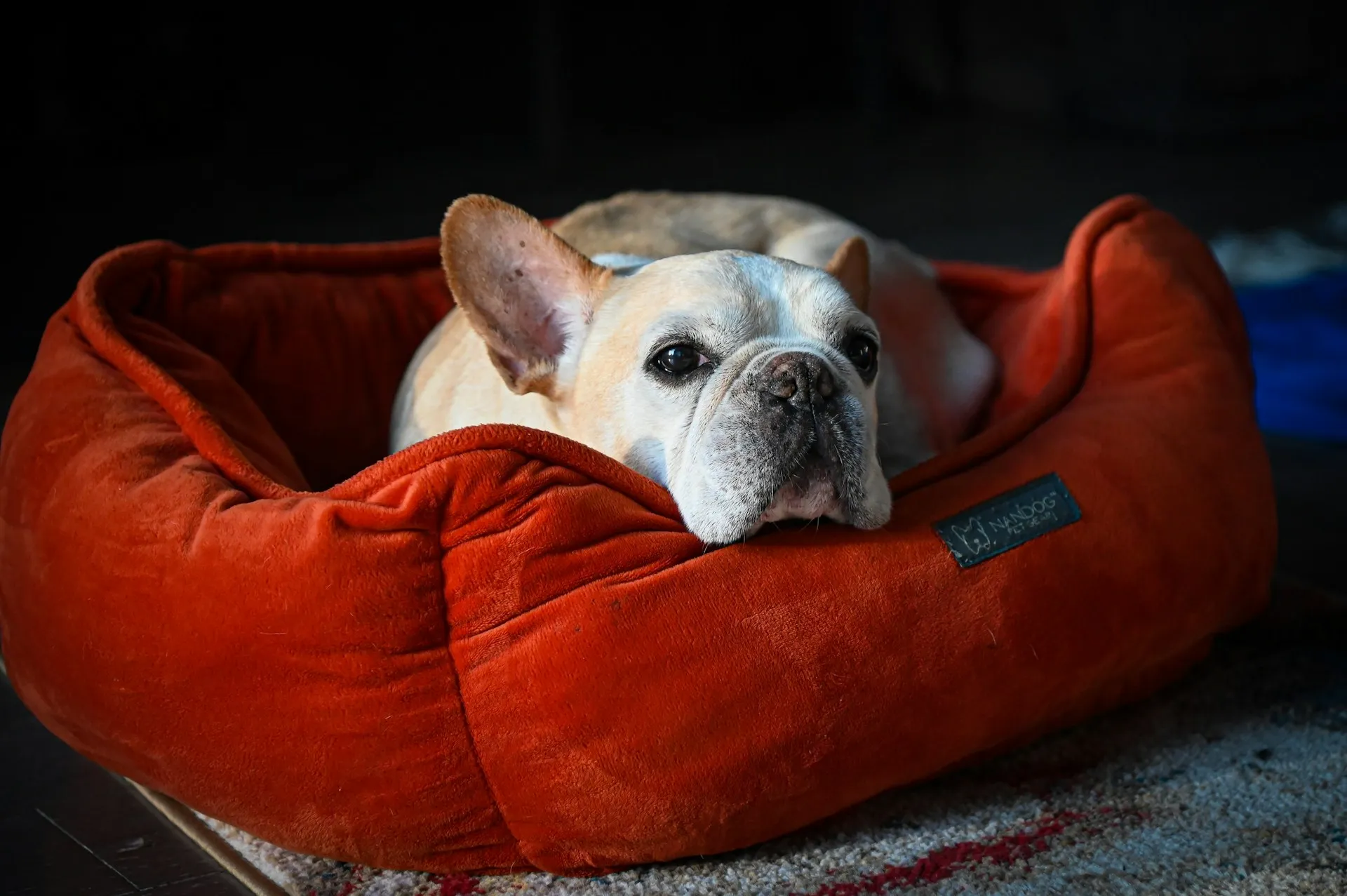
One of the first steps in calming a stressed pup is providing a secure environment. Designate a quiet area in your home where your furry friend can retreat during stressful situations. Include a comfortable bed, familiar toys, and calming scents or sounds if needed. This safe space can act as a sanctuary, helping your canine companion feel more at ease.
Consistency is key. Encourage your pup to spend time in their safe zone even during calm periods. Gradual exposure to mildly stressful situations within this space can teach your dog that they are secure and protected, helping to reduce overall anxiety.
Routine and Predictability
Dogs thrive on routine. Predictable schedules for meals, walks, and playtime give your canine buddy a sense of stability, which can lower stress levels. Our Elkton dog care team often advises owners to maintain consistent routines, especially during periods of change such as moving or welcoming a new pet.
Regular exercise is not only good for physical health but also plays a significant role in mental well-being. Daily walks, play sessions, and interactive games help expend energy, release tension, and reduce anxiety behaviors. Incorporating these activities into your pup’s routine can be a powerful form of natural stress relief.
Behavioral Training Techniques
Training can be an effective tool in addressing dog anxiety. Positive reinforcement methods help build confidence while minimizing stress. Reward-based training encourages desirable behaviors while teaching your dog that calm responses are valuable and safe.
Desensitization and counterconditioning are common techniques used to reduce fear responses. For example, gradually exposing your dog to a low-level stimulus that causes anxiety—like a recorded thunder sound—paired with positive rewards can help reshape their emotional reaction over time. Working with an experienced veterinarian or certified dog trainer can guide you through these processes safely.
Mental Stimulation and Enrichment
Mental enrichment is essential for anxious dogs. Providing puzzles, interactive toys, and games that challenge your pup’s mind can redirect attention from stressors and reduce nervous energy. Chew toys, treat dispensers, and scent-based activities engage the brain while offering a calming effect.
Our Elkton veterinarians recommend a mix of physical and mental exercise daily. Structured training sessions, obedience exercises, and safe playtime not only improve behavior but also provide an outlet for stress and anxiety.
Calming Products and Environmental Aids
Several tools can help reduce anxiety in dogs at home. Calming wraps or vests can be helpful at calming Fido down during thunderstorms or when there is a lot of noise or commotion. These apply gentle pressure, which can have a soothing effect. Playing soft music, using white noise machines, or providing pheromone diffusers can also create a more relaxed environment.
While these products can support a calm atmosphere, they are most effective when combined with steady routines, behavioral training, and mental stimulation. Our Cherry Hill Dog & Cat Hospital team can help you select appropriate aids and demonstrate proper use to maximize their benefits.
Nutrition and Health Considerations
Diet can influence your dog’s mood and overall health. Providing high-quality, balanced nutrition supports physical wellness, which in turn can reduce stress susceptibility. Certain supplements may also promote relaxation, though they should always be discussed with our Elkton veterinarians before use.
Regular wellness exams are an opportunity to discuss behavioral concerns alongside physical health. Sometimes, underlying medical issues such as pain, hormonal imbalances, or gastrointestinal problems can look like anxiety. By addressing these causes, you can improve both your pup’s comfort and behavior.
When to Seek Professional Help
While many strategies can be implemented at home, some dogs may require professional intervention. Severe anxiety, persistent destructive behavior, or fear-induced aggression warrant evaluation by a veterinarian. We can assess your pup’s condition, recommend behavior modification techniques, and discuss potential medical options if and when necessary.
Early intervention is often more effective than waiting until anxiety behaviors become entrenched. Working with your veterinary team ensures your furry pal receives a tailored, safe plan to manage stress and enjoy daily life.
Chewy wrote about how you can help calm your anxious pup here. You can read more about canine anxiety at the AKC website here.
Frequently Asked Questions
What are the signs of dog anxiety?
Common signs include excessive barking, whining, destructive behavior, trembling, panting, pacing, or reluctance to eat. The exact signs may vary from dog to dog. Understanding your dog’s specific behaviors helps you address the root cause.
Can separation anxiety be treated at home?
In many cases, yes. Consistent routines, safe spaces, and positive reinforcement are key. Many dogs can improve. However, severe cases may benefit from guidance from your veterinarian or a certified trainer.
Are there natural remedies for dog stress?
Environmental enrichment, regular exercise, mental stimulation, and calming wraps can all help reduce your pet’s stress. Some dietary supplements may help, but always consult your vet before use.
How long does it take to see improvement in an anxious dog?
Results vary depending on the severity of the anxiety and the consistency of the interventions. Many dogs show gradual improvement over weeks to months with structured routines and training.
When should I consult a veterinarian about my dog’s anxiety?
Seek professional help if your pup’s anxiety is severe, persistent, or leads to destructive or aggressive behavior. Your veterinarian can provide a customized plan and discuss safe treatment options.
Visit Our Elkton Veterinary Clinic for Dog Anxiety Support
Helping your canine buddy cope with stress and anxiety can transform their daily life and strengthen your bond. At Cherry Hill Dog & Cat Hospital, our Elkton veterinarians provide guidance on dog anxiety, behavior solutions, and mental enrichment tailored to your pup. If you’ve been searching for a “vet near me” or need trusted local dog care, our team is here to help. Schedule an appointment today and support your furry bestie in feeling calm and secure at home.
This blog is intended for informational purposes only. Always consult with your veterinarian for the appropriate diagnosis, medical advice, or treatment plan for your pup and follow their guidance.
To learn more about our Elkton, MD veterinary clinic, please drop by our Services page here for more detailed information about our animal clinic and the pets we treat. You can also find out about our Wellness and Vaccinations offerings here.
!Social Media Icons