


Bringing a new puppy home is exciting, but potty accidents and messy floors can quickly become frustrating. At Cherry Hill Dog & Cat Hospital, our Elkton, MD veterinarians help new puppy owners navigate the challenges of puppy house training. With the right strategies, you can teach your furry friend proper bathroom habits while building a strong bond and promoting long-term behavior success.
House training puppies involves more than simply taking them outside frequently. Consistency, positive reinforcement, and a structured routine are key components. In this article, we’ll explore practical tips for potty training puppies, discuss common mistakes to avoid, and share advice from our Elkton dog care team to help your pup develop good habits from day one.
Understanding Puppy Behavior
Puppies have small bladders and limited control, which makes accidents a normal part of the early days. Understanding their needs and behavior is the first step in effective puppy house training. Puppies often signal when they need to go with sniffing, circling, or whining. Recognizing these cues allows you to respond promptly and prevent accidents inside the home.
patience and observation are key. Each puppy learns at their own pace, and creating a supportive environment fosters confidence and encourages consistent potty habits.
Establishing a Routine
A predictable schedule is essential for house training puppies. Feed your pup at consistent times each day, and plan regular bathroom breaks after meals, naps, and play sessions. Young puppies may need to go outside every two to three hours, gradually extending intervals as they grow and gain bladder control.
Consistency helps your puppy understand where and when it is appropriate to eliminate. keep a log of potty times to identify patterns and adjust your routine for optimal results.
Choosing the Right Bathroom Spot
Selecting a consistent outdoor location for bathroom breaks helps reinforce good habits. Take your puppy to the same spot each time, as familiar scents cue them to eliminate. Praise and reward your pup immediately after they go in the correct location to strengthen the positive association.
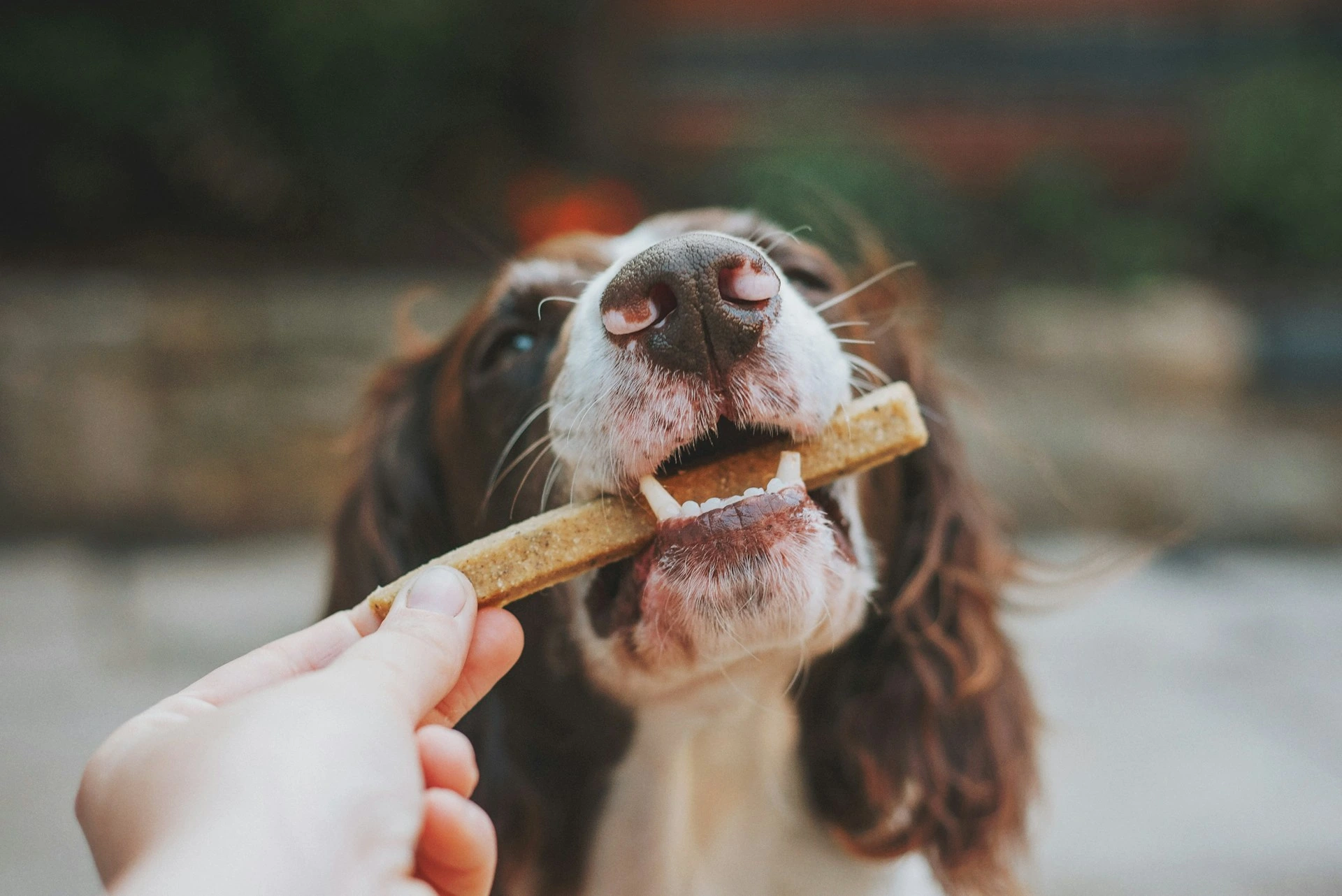
We always suggest using treats, gentle petting, or verbal praise as rewards. Timing is critical—reinforce the behavior immediately to ensure your puppy understands the connection between the action and the reward.
Crate Training for House Training Puppies
Crate training is a highly effective tool for teaching bladder control and promoting a safe, comfortable space for your pup. Dogs naturally avoid soiling their sleeping area, making a properly sized crate an ideal method to encourage potty discipline.
Introduce the crate gradually, using positive reinforcement and treats to make it a pleasant space. Avoid using the crate as punishment, and never leave your puppy confined for excessive periods. We recommend following age-appropriate guidelines for crate duration to ensure safety and comfort.
Handling Accidents Properly
Accidents are a normal part of the house training process. It’s important to respond calmly and avoid punishment, which can create fear and hinder learning. Clean accidents thoroughly with enzymatic cleaners to remove lingering odors that might attract your puppy back to the same spot.
Observe patterns and adjust your routine as needed. patience and consistency are far more effective than scolding, and positive reinforcement encourages your pup to repeat correct behavior.
Preventing Common House Training Mistakes
Many owners unintentionally slow progress by:
- Inconsistent schedules or feeding times
- Delaying bathroom breaks for too long
- Using punishment instead of rewards
- Neglecting to praise successful potty trips
Avoiding these pitfalls helps your puppy learn faster and reduces frustration for both owner and furry friend. We provide individualized guidance to correct mistakes and reinforce proper habits.
Additional Tips for Success
To further support house training puppies:
- Keep your pup on a leash during initial outdoor trips to prevent distractions
- Supervise closely indoors, especially during play or after meals
- Gradually increase independence as your puppy gains control and confidence
- Introduce family members to consistent cues and commands to prevent confusion
Consistency across all household members ensures your puppy receives clear messages about expected behavior.
Health Considerations During House Training
Occasionally, frequent accidents may indicate a medical issue such as urinary tract infections or gastrointestinal problems. If your puppy shows persistent difficulty controlling elimination, we recommend a wellness check to rule out underlying conditions.
Regular veterinary visits support overall health while complementing house training efforts. Preventive care, vaccination, and nutrition all contribute to your puppy’s success and comfort.
The Royal Society For The Prevention Of Cruelty To Animals also has a good article on puppy care here. The ASPCA covered puppy biting in this blog.
Frequently Asked Questions
At what age should I start house training my puppy?
Begin as soon as your puppy arrives home, usually around 8 weeks of age. Early training sets the foundation for lifelong habits.
How long does it take to fully house train a puppy?
Most puppies develop reliable bladder control within four to six months, though consistency, breed, and individual temperament influence timing.
Can I use potty pads instead of going outside?
Potty pads can be used temporarily, but outdoor training is recommended for long-term success. Gradual transition to outdoor elimination is ideal.
What should I do if my puppy has frequent accidents?
Review your routine, ensure timely bathroom breaks, and observe for medical issues. Contact your veterinarian if accidents persist.
Is crate training necessary for house training puppies?
While not mandatory, crate training is highly effective and provides a safe space for your pup while reinforcing bladder control.
Visit Our Elkton Veterinary Clinic for Puppy House Training Support
Teaching your puppy proper potty habits is essential for a well-behaved and happy companion. At Cherry Hill Dog & Cat Hospital, our Elkton veterinarians offer guidance on puppy house training, crate training, and overall dog wellness. If you’ve been searching for a “vet near me” or need trusted local dog care advice, our team is here to help. Schedule an appointment today and start your pup on the path to successful house training.
This blog is for informational purposes only. Always consult your veterinarian for the appropriate medical advice, diagnosis, or treatment plan for your puppy and follow their guidance.
To learn more about our Elkton, MD veterinary clinic, please drop by our Services page here for more detailed information about our animal clinic and the pets we treat. You can also find out about our Wellness and Vaccinations offerings here.
!Social Media Icons